AI
Two different tools
Prediction and
optimisation
are not the same
A model that forecasts tells you what is likely to happen. It does not tell you how many vehicles to send, which staff to roster, or which orders to accept and using a forecast to answer those questions usually means somebody applying rules of thumb to its output in a spreadsheet.
Optimisation answers the second kind of question directly, and can prove that no better answer exists inside the constraints you gave it. Most real problems need both: a forecast to say what is coming, and a solver to decide what to do about it.
What we build
Where this earns its keep
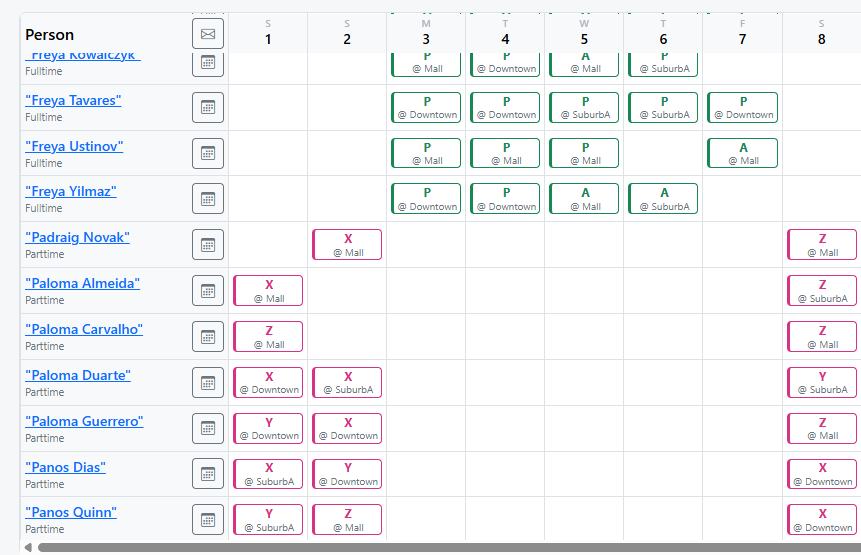
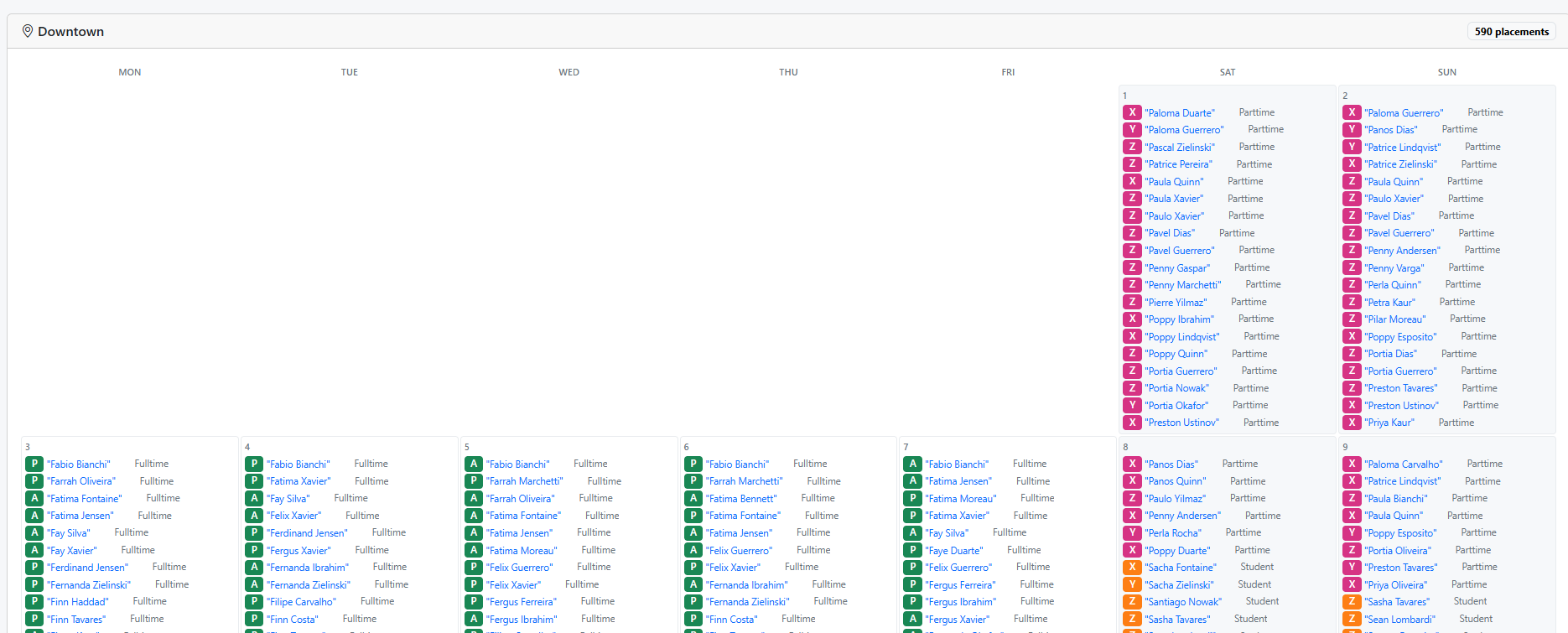
Scheduling and rostering
Crews, shifts, vehicles, theatre lists, maintenance windows. Constraints that contradict each other and a solution that has to hold when someone calls in sick.
Planning and allocation
Production plans, network flow, inventory placement, portfolio and capital allocation under limits that are policy rather than preference.
Forecasting and classification
Demand, risk, churn, failure. Built where enough honest history exists to learn from, and refused where it does not.
Documents and language
Extraction from contracts, claims and reports; routing and summarising, with a human in the loop wherever being wrong is expensive.
Tooling
CPLEX, Gurobi
We model in the commercial solvers CPLEX and Gurobi because on hard mixed-integer problems they remain substantially faster than the open alternatives, and speed is what decides whether a plan can be re-run after a disruption or only overnight.
Models are written to be read. You get the formulation, not just a binary that emits numbers nobody can question.
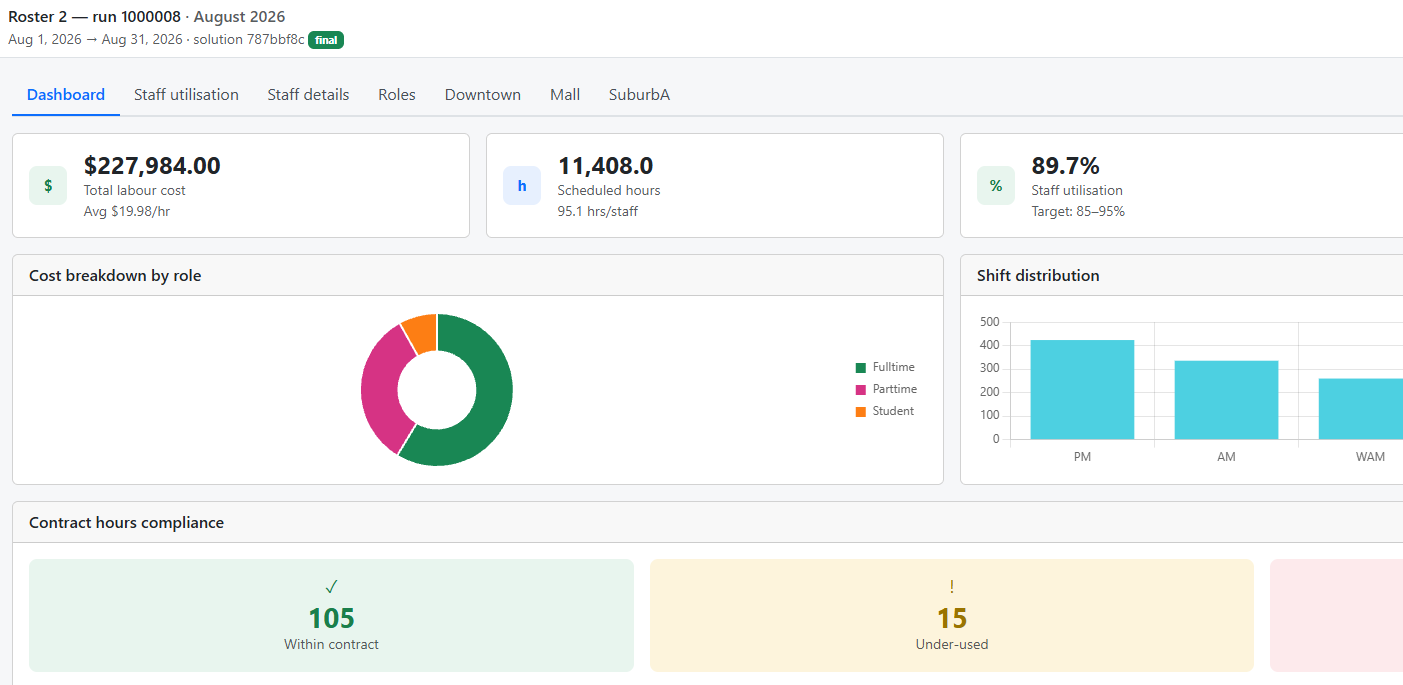
Rosters Optimization
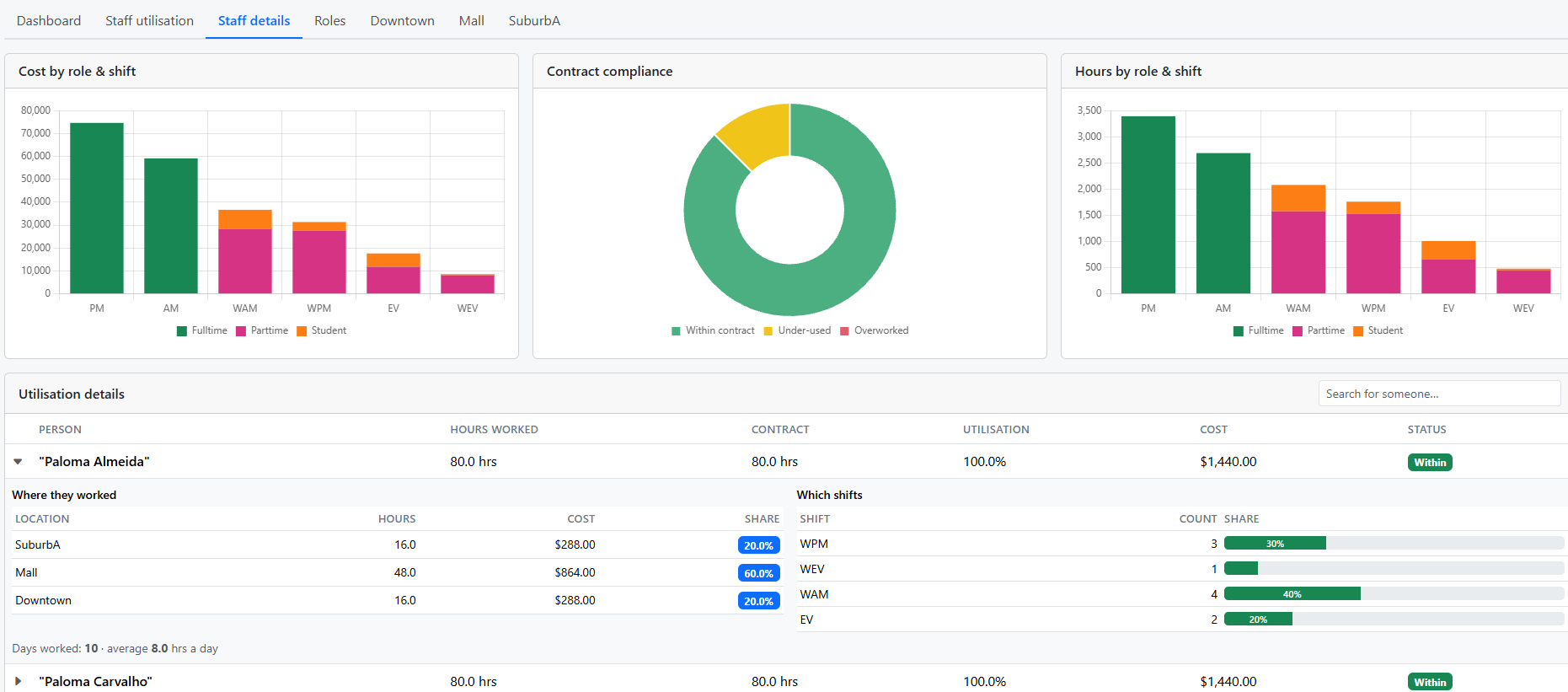
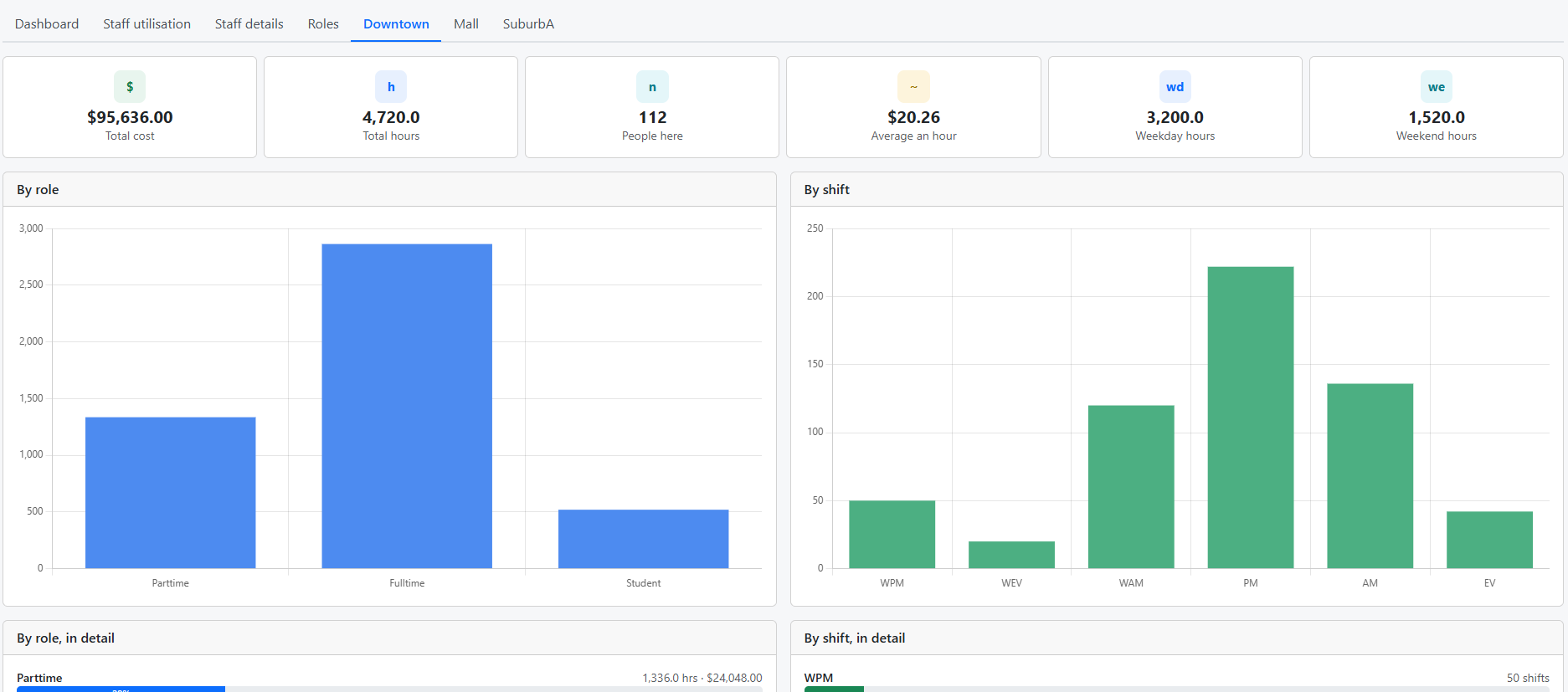
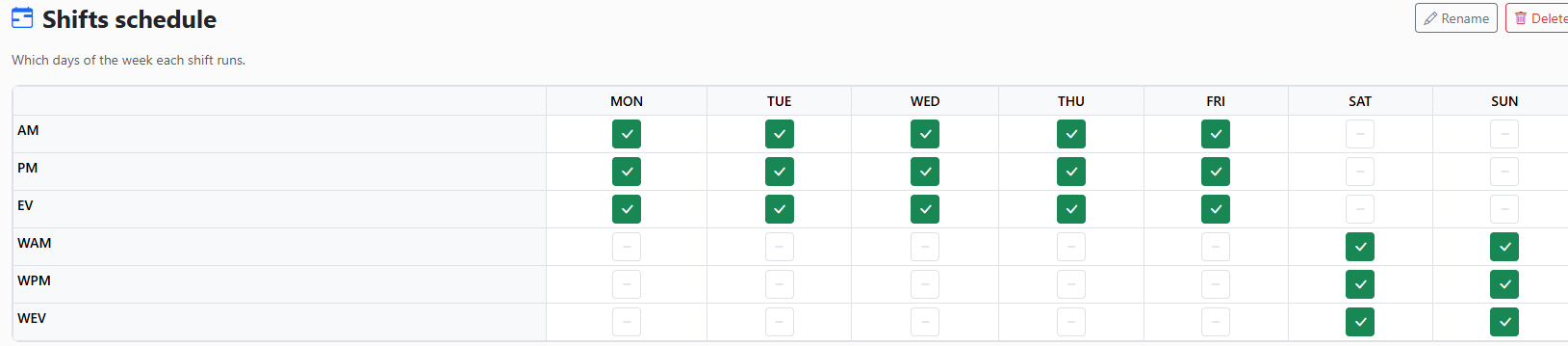
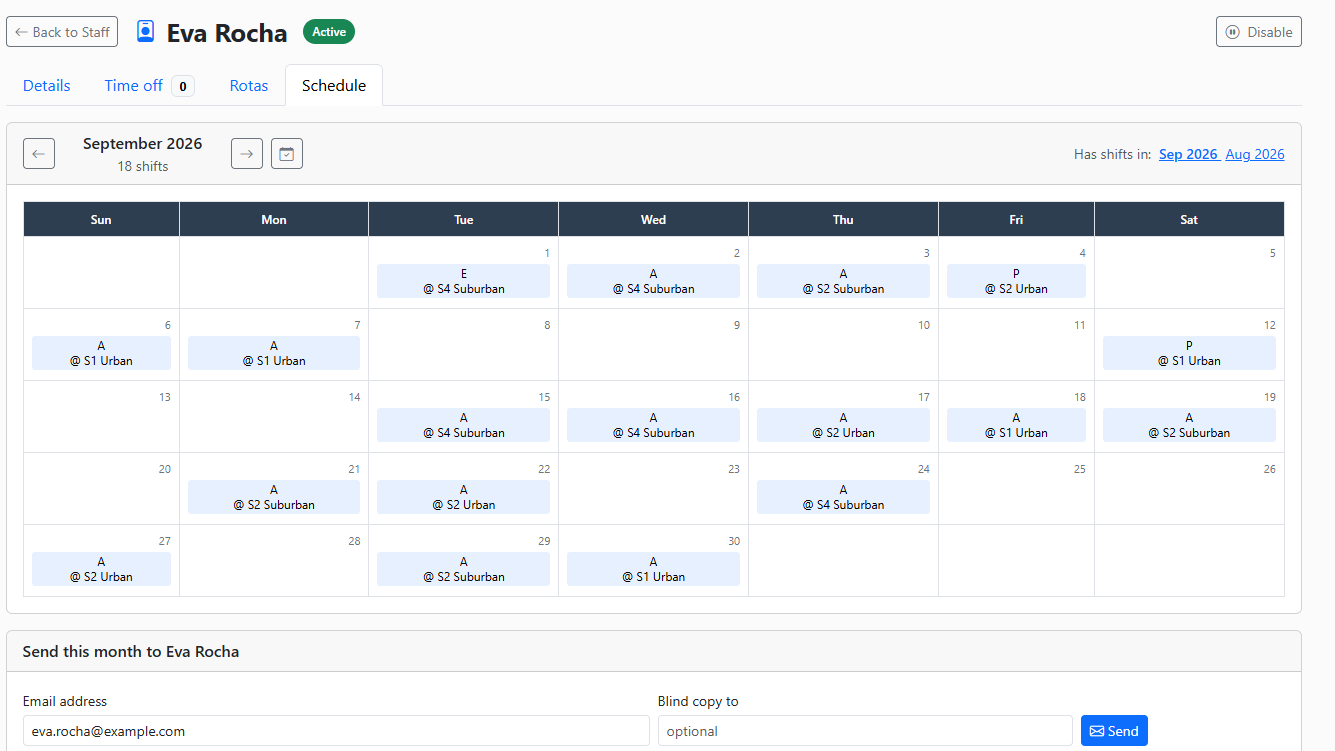
Samples
TIC-TAC-TOE
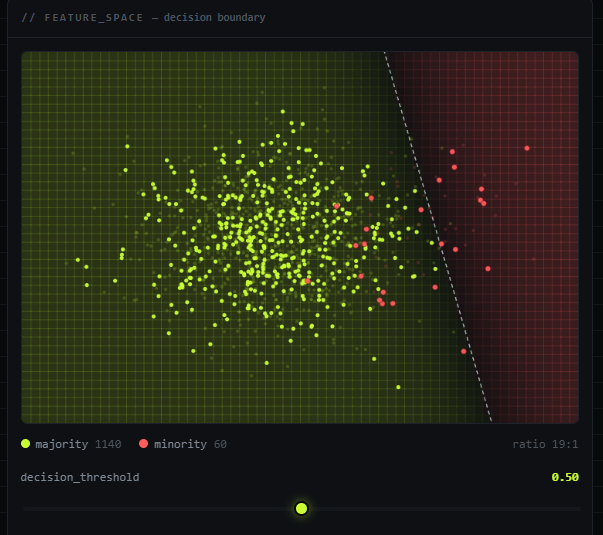
Data Imbalance